
 EN
EN
There's a stat that went almost unnoticed among everything else the 2026 World Cup left behind: of the 81 countries with at least one World Cup goal in history, in 24 of them the nation's all-time top scorer — counting this very World Cup — scored during the tournament. Nearly 1 in 3 countries saw their own most important name in history keep adding to the tally.
Lionel Messi (Argentina), Kylian Mbappé (France), Harry Kane (England), Cristiano Ronaldo (Portugal), Erling Haaland (Norway), Romelu Lukaku (Belgium), Ivan Perišić (Croatia), Mohamed Salah (Egypt), and the all-time top scorers of Senegal, Canada, DR Congo, Iran, New Zealand, and Bosnia and Herzegovina all scored in 2026. Algeria and Ivory Coast also saw their all-time top scorer score in 2026 — though in both cases that top spot is shared among several players, not held by one alone.
Two particular cases ended in a tie. In Morocco, Youssef En-Nesyri was already the all-time top scorer — and in 2026 he was joined by Ismael Saibari, leaving both sharing first place. And in Mexico, the record had belonged for years to two legends, Luis Hernández and Javier "Chicharito" Hernández, tied at 4 goals each. In 2026, Julián Quiñones scored four times in the tournament, and with a goal against England at the Estadio Azteca he joined them as the third name in that shared first place.
Also worth mentioning: Cape Verde, Jordan, Uzbekistan, Curaçao, and Iraq — in all five, the nation's all-time top scorer also scored in 2026. The difference is that, since these are among the first times these nations reached a World Cup (or their very first time), that record ended up at just one or two goals — so the achievement doesn't stand out as much at first glance, even though the player enters their country's history books exactly the same way as any of the names above.
| Player | Country | 2026 | Total |
|---|---|---|---|
| Kylian Mbappé | France | 10 | 22 |
| Lionel Messi | Argentina | 8 | 21 |
| Harry Kane | England | 6 | 14 |
| Cristiano Ronaldo | Portugal | 3 | 11 |
| Romelu Lukaku | Belgium | 3 | 8 |
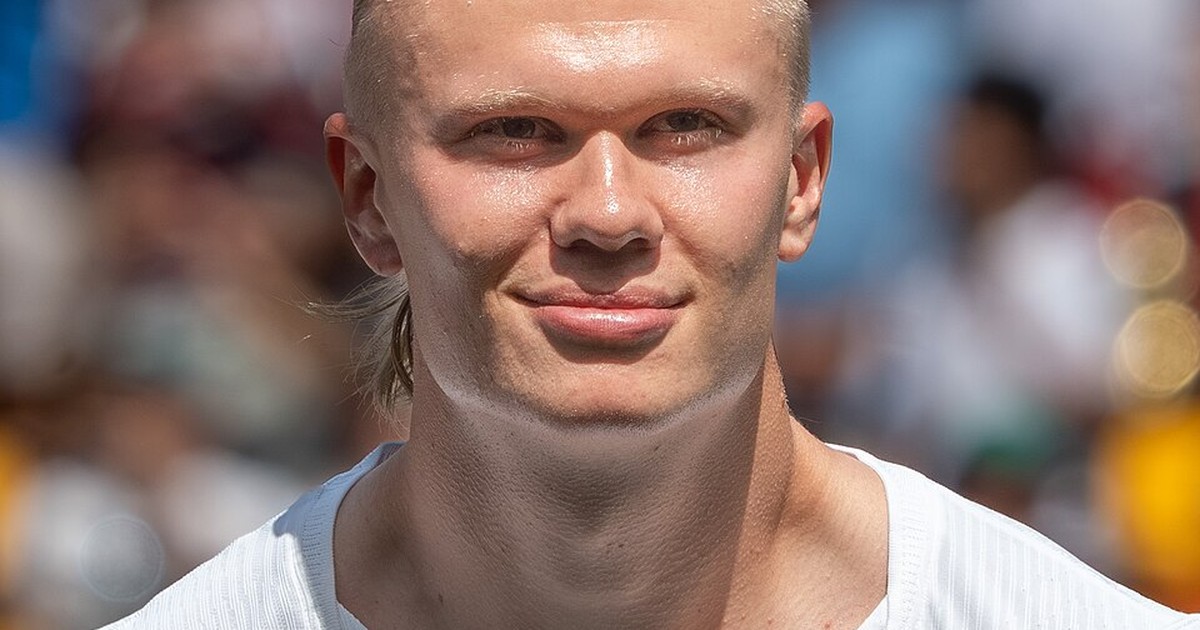
| Erling Haaland | Norway | 7 | 7 |
| Ivan Perišić | Croatia | 1 | 7 |
| Julián Quiñones | Mexico | 4 | 4 |
| Mohamed Salah | Egypt | 1 | 3 |
| Ismael Saibari | Morocco | 3 | 3 |
How much did a bigger World Cup have to do with it? Probably something — with 48 teams and more matches than ever, there are more chances for each country's best scorers to keep adding to their tally. But there's another explanation too, less about the format and more about the timing: 2026 was, in all likelihood, the last World Cup for several of the great historic goalscoring figures of their national teams — players who've spent a decade or more as their country's top scoring reference, and who probably won't be at an age to play another tournament in 2030. Seen that way, more than a scheduling coincidence, 2026 was the last chance many of these names had to keep adding to their own history — and several of them took it.
Want to see Haaland's full profile?
View profile →Want to see Norway's full World Cup history?
View Norway's profile →